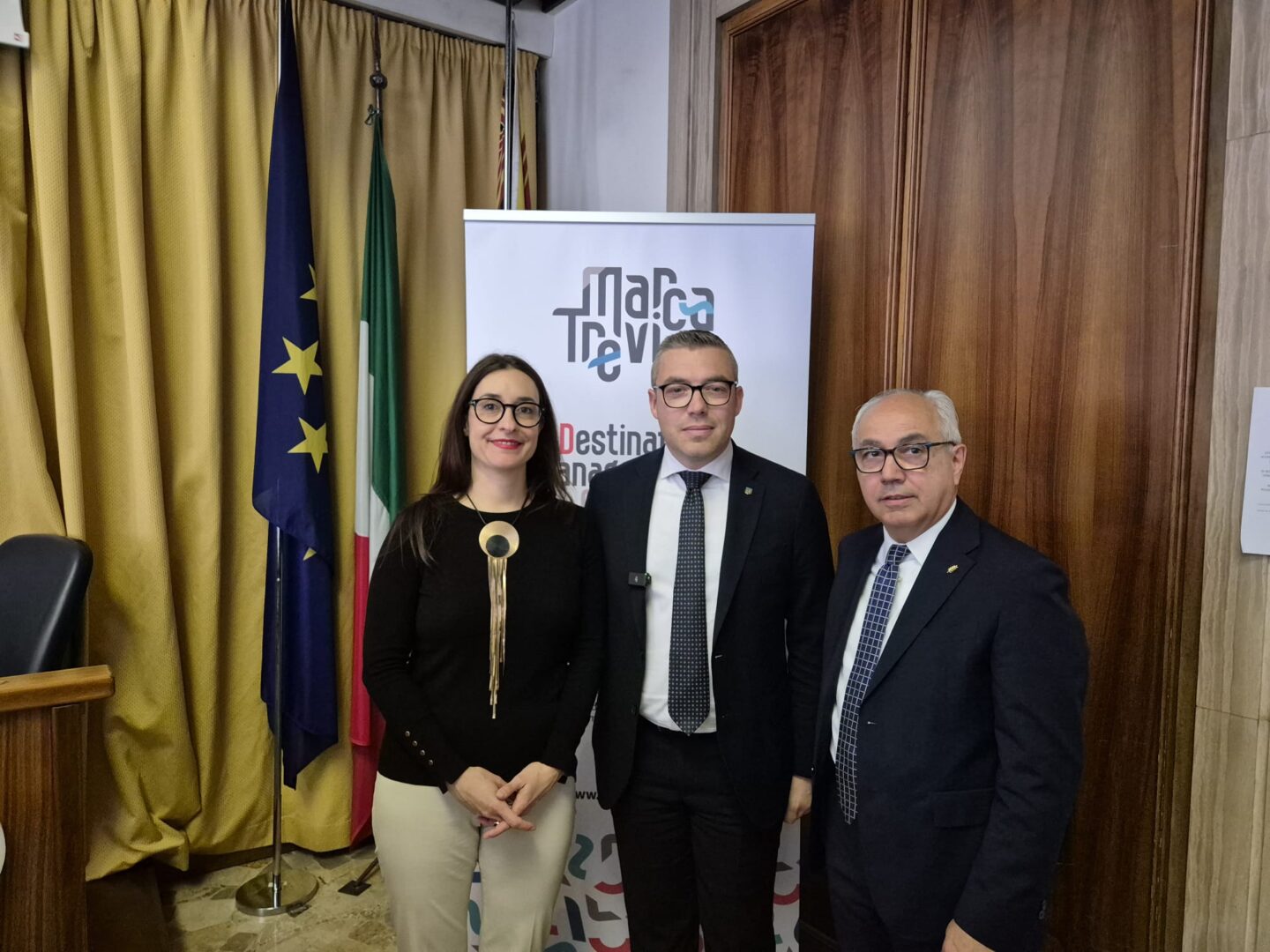
Lucas Pavanetto, Vice President of the Veneto Region with responsibility for tourism – Marca Treviso today stands as a concrete example of how a destination can grow over time, moving beyond fragmented approaches and choosing to invest in a more solid, stable, and recognizable governance model. The journey undertaken by the Fondazione DMO Marca Treviso, supported by the local community, the Chamber of Commerce, and industry stakeholders, demonstrates that when there is a shared vision, expertise, and the ability to network, the destination truly becomes more competitive. As a Region, we have chosen to support this evolution with clear guidelines, operational tools, and a multi-level governance model that aims to strengthen the role of DMOs not only in promotion but also in the integrated management of the tourism offering, hospitality, data, and the strategic development of destinations. The DMO Marca Treviso demonstrates that this is the right path for the future of tourism in Veneto.
Giulia Casagrande, President of the DMO Marca Treviso Foundation – We are fully aligned with these Guidelines; in fact, we are the first to put them into practice. The DMO Marca Treviso Foundation demonstrates every day that when a region invests in sound governance, with adequate human and financial resources to support a long-term strategy, results follow. Working as a team with the Veneto Region, with a shared vision and concrete tools, is exactly the model that propels destinations forward. We do not merely apply regional guidelines: we live them from the inside, and we are convinced that this systemic approach is the true driver of the Treviso area’s competitiveness.
Mario Pozza, President of the Treviso-Belluno|Dolomiti Chamber of Commerce – The regional guidelines approved by the Veneto Regional Council represent a long-awaited and necessary step: for the first time, the Veneto tourism system has a shared framework that clarifies the roles, objectives, and governance of DMOs.
The Treviso – Belluno | Dolomiti Chamber of Commerce has championed, guided, and wholeheartedly supported this initiative, especially when challenges seemed to prevail. Tourism serves as an economic driver only if the stakeholders driving it—institutions, businesses, and destinations—speak the same language and work toward the same goals.
The Treviso – Belluno | Dolomiti Chamber of Commerce has long chosen to be an active part of this project: acting as a coordinating body within its areas of expertise, capable of organizing knowledge, relationships, and resources for the benefit of the region. We are here because we believe that tourism is a real economy, made up of businesses that invest, of hospitality facilities that welcome guests, and of regions that tell their stories and open themselves to the world. An economy that generates employment, income, and a future—and one that must be built with the same seriousness and strategic vision with which any other productive sector is built. We believe in the structure of DMOs and, today, in the Marca Treviso DMO, which we have sought to strengthen in order to manage the complexity of a destination: sustainable tourism, founded on the quality of the offerings and the coherence of the local identity, capable of generating lasting value for the communities and businesses that keep the doors of this region open every day. Coordination by the Veneto Region is an indispensable condition for this system to hold up and grow. Today’s Guidelines are a collective statement of intent. They chart the course. It is up to all of us to follow it with consistency, ambition, and a shared vision for our regions, our businesses, and those who will come after us.
Mario Conte, Mayor of Treviso – The strength of our region’s tourism system lies in our ability to work as a team. In recent years, we have demonstrated that synergies between institutions, business sectors, operators, and local areas can generate tangible benefits for an entire destination, bringing new opportunities, investments, and resources. We therefore welcome these guidelines, which aim to make the drafting of projects increasingly consistent, organized, and directed toward a common and concrete goal. Shared planning is also fundamental in tourism, and with the DMO we want to continue on this path, building an increasingly coordinated model capable of highlighting the region’s strengths and addressing the future challenges of the tourism sector with vision.