The various strategies that businesses adopt for sustainability, as mentioned in previous articles, often require public support, especially when implemented by SMEs. As with any development initiative, significant investments are necessary to implement these strategies, and given the complexity of the innovations, high-level expertise is also essential for the planning and execution of subsequent actions. Both factors (physical capital and human capital) are not always sufficiently available in smaller companies.
It is therefore important to enable these businesses to access these resources, and the introduction of new investments (even from external sources) can address these shortcomings. However, in the absence of or difficulties with private contributions, public support can also step in.
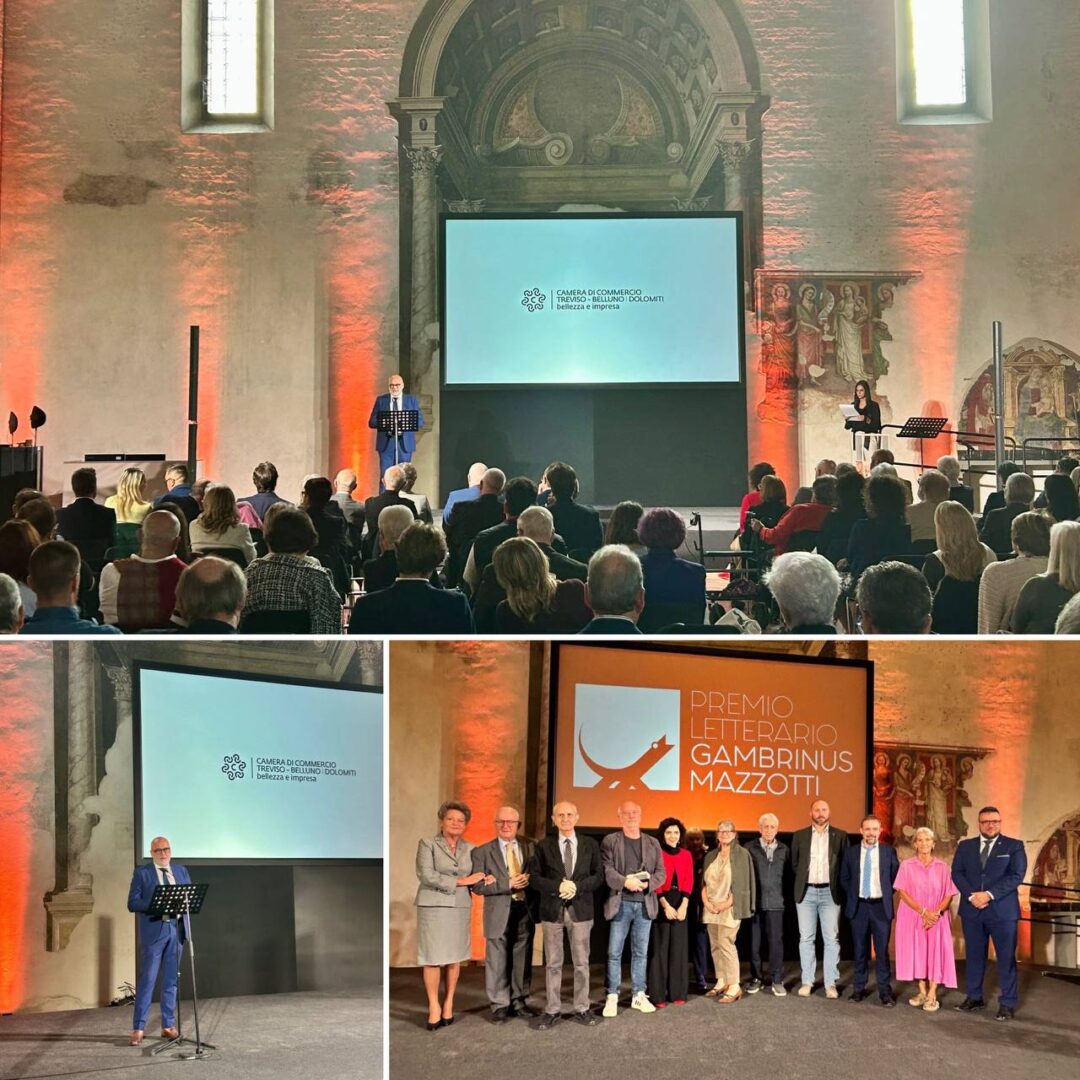
In addition to state funding, which is not sufficient for the considerable needs, particularly those related to sustainable development, it is important to highlight the decisive role of the Chamber system. The Chamber system has always been a promoter of local economic development and now also presents itself as a facilitator of territorial sustainable development. This involves many interventions, mainly aimed at medium, small, and micro enterprises, by the Chambers of Commerce in their respective provinces, and carried out either through direct initiatives by the Chambers themselves or on behalf of broader organizations (Regional Unions and National Union). The Treviso – Belluno|Dolomiti Chamber of Commerce is very active in this field for companies located in both provinces.
At this point, it is important to briefly illustrate the main interventions that businesses have at their disposal to navigate the challenging and costly sustainable transition.
Real chamber services for sustainable development
The services offered by our Chamber of Commerce to businesses for sustainability can be divided into real services and financial services. The first category concerns interventions aimed at improving the skills of operators (information, training, and consulting) and other commercial supports (promotion of products and services with sustainability content). The second category represents actual financial aid for businesses investing in sustainable development paths (interest rate subsidies, capital contributions, extension of guarantees for access to bank credit).
Starting with the real services and without delving into the details of the numerous initiatives carried out annually in this regard, it can be noted that information on facts, regulations, and practices related to sustainable development is the most widespread and takes place almost daily through articles and announcements of various kinds published on the Chamber’s website and on Trevisobellunosystemonline. This material is then gathered in periodic newsletters. It is enough to occasionally browse through the news published to stay updated on many general issues and on the main local trends and phenomena.
However, a far more effective service is the training organized on sustainability topics, with a focus on the issues that businesses face, as well as on the regulatory and administrative obligations involved. By carefully following the various scheduled events and participating actively in the meetings, many ideas can be obtained to overcome the transition within one’s company, without the need for expensive courses available on the market. Through contact with experts at the Chamber’s events, businesses can also obtain specialized consulting to resolve strictly business-related matters, in an environment less exposed to advertising or distorted communication, while considering the accreditations obtained by the Chamber system in relation to the knowledge to be transferred. For example, the contents of the free training course on energy transition, held in the first semester of this year with as many as 18 meetings, which can lead to specific operational projects. Moreover, the technological and innovative aspects of many sustainable initiatives are also managed by the Chamber’s Special Agency “T2I” (Technology Transfer and Innovation), which also offers specialist services related to both ecological and digital transitions.
Lastly, many local economic promotion projects aim to enhance the products of our SMEs in the markets (especially abroad), products that, in addition to traditional quality, can also enjoy other elements of appreciation, such as the sustainability characteristics of the offered products, both socially and environmentally. For instance, a wine, already excellent for its organoleptic properties, when produced without violating workers’ human rights and using eco-friendly production processes, reaches the top of sustainable quality and cannot have rivals in any market, including global ones!
Active and committed participation in the Chamber’s services can, therefore, gradually lead many SMEs to challenging goals, unimaginable for small company sizes, and attractive to new Italian and foreign investors, including mutual funds, especially those specialized in ESG (Environmental, Social, and Governance) activities.
Financial Services
Moving on to financial services, also provided by the Chamber system, sometimes in collaboration with other public and private entities, it can be observed that interest rate subsidies relate to loans granted by the banking system, where the public entity contributes with a percentage reduction in the interest rate that the debtor company must pay, in relation to specific financial investments. Although this form of aid has fallen into disuse due to the very low interest rates prevailing until about two years ago, it could be reinstated for longer-term loans intended for significant investments specifically in sustainable development.
More widespread, however, are the capital contributions, again for the same type of investments and irrespective of credit financing. In this case, the public entity offers concrete financial assistance for the purchase of goods or services intended for development purposes, such as those for sustainability. Although there are limitations, as EU regulations do not allow public aid above a certain threshold (the so-called “de minimis” regime), it is possible to obtain non-repayable incentives from the state, as well as from other entities (such as the Chambers of Commerce), to cover the expenses of specific sustainability actions. In fact, it would be desirable for the European Union to allow an increase in the maximum amounts that can be granted in relation to sustainable investments, as they are the essential means to achieve the development objectives that the Union itself has set. Furthermore, it should be noted that, regardless of the amounts that can be granted to each individual company, the resources made available by the state are very limited compared to the needs to effectively support the production system in transitioning towards substantial sustainability. Therefore, additional contributions offered by public entities, especially the Chamber system, are essential.
As evident, these are not useless “blanket” provisions, but indispensable financial support to help even smaller companies achieve the same sustainable development objectives as large companies. Only in this way will it be possible to achieve the desired results at the local level, which will then also extend to the national level.
Finally, the action can be even broader with the extension of guarantees on loans dedicated to sustainable investments. In these cases, it is not a true financial aid, as the companies involved do not receive any monetary contribution, but have easier access to bank credit under more favorable market conditions, due to additional guarantees offered by the public entity over and above those they must provide for the loans obtained. Obviously, the Chambers of Commerce do not provide specific guarantees, but contribute to the risk fund of the guarantee consortia, which institutionally guarantee the member companies in case of default. Even with this formula, the economic effects on sustainable development can be very significant, as it effectively lowers the financial risk that the transition might pose to banks more reluctant to finance sustainable investments, which, on the contrary, involve lower future risks than other investments, precisely because of the favorable impacts they will generate.
In conclusion, it can be stated that the Chamber system certainly represents the institutions that most effectively support sustainable development and promote the most virtuous initiatives within the territory, even in the presence of a still very uncertain and fluctuating general context regarding the path to take. With its multifaceted intervention tools, this system can offer essential support for the various needs of SMEs in every aspect of sustainability.
Therefore, businesses that wish to improve their social and environmental aspects, while still achieving economic results, find in the Chambers of Commerce reliable partners and facilitators who will allow them to pursue their virtuous expectations. Likewise, investors seeking sustainable investments for their portfolios (including institutional mutual funds) can find valid interlocutors within the Chamber system for choosing the most promising local sectors and activities.