EVENTS AND MEETINGS
Global network of Special Envoys and coordinators combatting antisemitism meets in Geneva
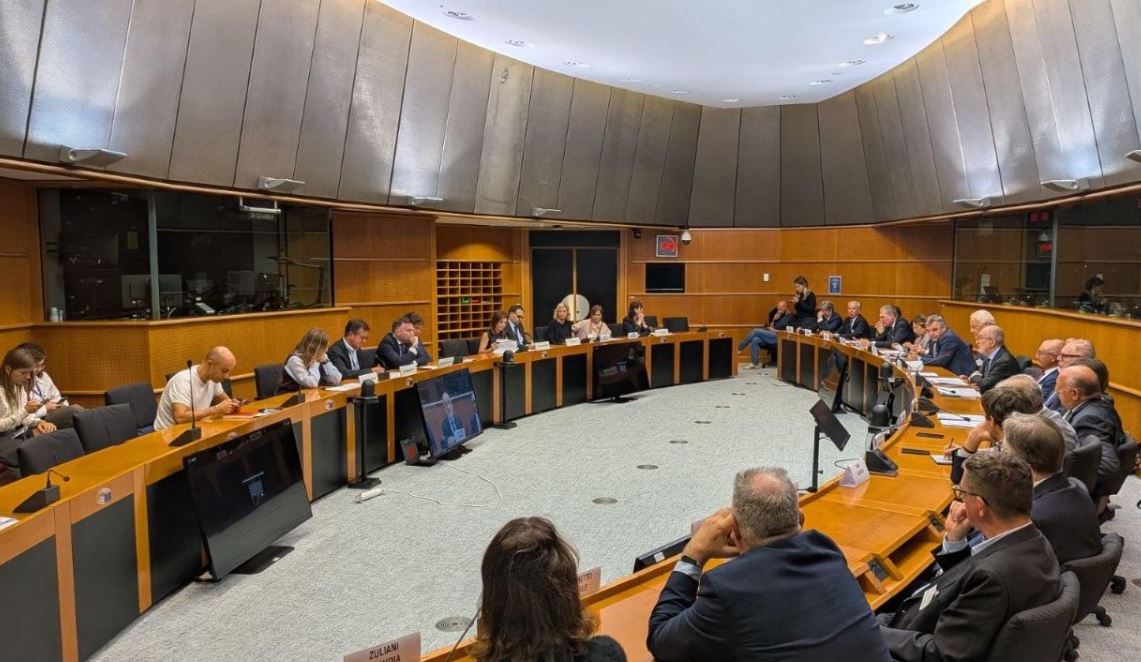
10 – 12 May 2026: 10 – 12 May 2026: European Commission Coordinator on combating antisemitism and fostering Jewish life, Katharina von Schnurbein, chaired the 14th Meeting of Special Envoys and Coordinators Combating Antisemitism (SECCA) in Geneva.
Against the backdrop of growing antisemitic threats and hostility affecting Jewish communities around the world, around 36 Special Envoys and Coordinators Combating Antisemitism from more than two dozen countries and several international organizations gathered in Geneva to reaffirm their collective determination to combat antisemitism and ensure the safety and continuity of Jewish life.
The SECCA meeting focused on strengthening the role of multilateral and international organisations in addressing and combating antisemitism.
The meeting concluded with a joint statement, signed by 32 representatives of countries and international organisations, calling for strengthened international cooperation, enhanced protection for Jewish communities, and sustained action against antisemitism in public discourse, institutions, and digital spaces.
SECCA JOINT STATEMENT 2026
Joint Statement of the Special Envoys and Coordinators Combating Antisemitism (SECCA)
Geneva, 12 May 2026
We, the undersigned Special Envoys and Coordinators Combating Antisemitism (SECCA), express our deep concern over the alarming rise of antisemitism across the globe. Synagogues, schools and Jewish gatherings in many countries have become the target of horrific antisemitic attacks. These attacks are intended to intimidate Jewish communities and disrupt and threaten Jewish life. We unequivocally condemn in line with the IHRA working definition of antisemitism all forms of contemporary antisemitism targeted at Jewish communities around the world.
We want our societies to be places where Jewish life can thrive, where Jews can go about their lives without having to look over their shoulder and where Jews can live in line with their religious and cultural traditions.
Antisemitism is a threat to Jews – and that alone would be reason enough to fight it. But it also erodes the very foundations of our democratic and free societies: human rights and dignity, equality, and the rule of law. A society in which Jews cannot live openly and safely is one in which fundamental rights are under threat for everyone.
We recall the power of education to build societies with the skills and values to stand actively and responsibly against antisemitism, hatred, prejudice, and discrimination in all its forms, including in digital spaces. Education and further research on combating antisemitism and on Holocaust issues should be reinforced, focusing in particular on the younger generations.
To address these challenges and their root causes head on, we call for a coordinated and
sustained effort across governments, civil society, and international partners:
Safety and security of Jewish individuals, communities and premises: In the current situation, security is the prerequisite of any further activities. All governments must ensure the safety and security of Jews on their territory. Extremism in all its forms must be addressed as a root cause and global cooperation in this regard strengthened, advancing coordinated and consistent responses across borders.
Prosecution of perpetrators of antisemitic offenses: Offenders of antisemitic crimes must be held accountable. We call on all states to swiftly and effectively respond to antisemitic crimes and offenses.
Curbing antisemitic hatred online: Expressions of antisemitism in the physical world are influenced by the digital world. Social Media Platforms, AI companies, governments, and civil society should provide solutions to address antisemitic hatred online in line with applicable legislation.
Since 2019, we have formed a close global alliance to address the multi-layered challenges we are facing. Our continuous work is to transform political commitments into concrete safeguards for Jewish communities.
There is no place for antisemitism, there can be no excuse for antisemitism. It cannot be tolerated anytime or any place.